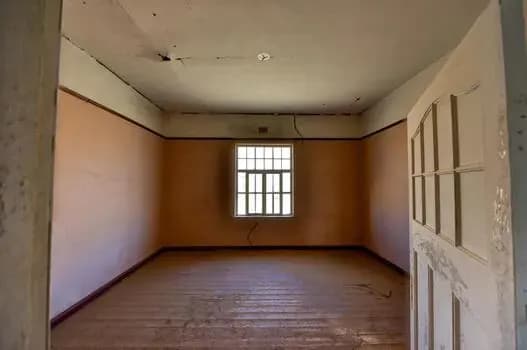
Running a clearance job in historic central Ath means facing a ruthless urban reality: narrow streets, old gauges, zero chance of parking a heavy lorry at the door. When the owners contacted us for a townhouse in a cobbled central artery, the first question was not what was inside, but how to remove everything without blocking the whole town's traffic.
In this layout, logistical improvisation ends in failure or hefty fines.
The real challenge: volume to clear vs street constraints
- Large gauges banned: no 20-tonne lorry without blocking pedestrians and emergency vehicles.
- Carrying and distance: bulky items and heavy furniture hand-carried or trollied dozens of metres to a permitted drop zone.
- Police orders: coordination with Ath municipal services for temporary beacons placed the evening before.
⚠️ No order, no job
Setting a collection vehicle in a historic centre without permitted beacons means a certain fine and a stopped job. Paperwork always comes before the first box.
Our approach on site
- Mid-size shuttle vehicles: handy vans permanently linking the house and the grouping point on a wider square.
- Optimised rotations: indoor carrying teams synchronised with street drivers to chain loadings in minimum time.
- Road respect: systematic protection of doorsteps and historic cobbles while handling heavy loads.
💡 Narrow lane? Same logic as floors with no lift
Carry relays, dismantling and millimetre slots: see our no-lift Brussels guide.
The result
The Ath house was fully emptied and cleaned by the book, proving thoughtful logistics overcomes the most complex architectural constraints. Successful clearance also means adapting to the terrain.
🏘️ Impossible access in a historic centre?
Shuttles, carrying and permits handled. Free quote within 48h.